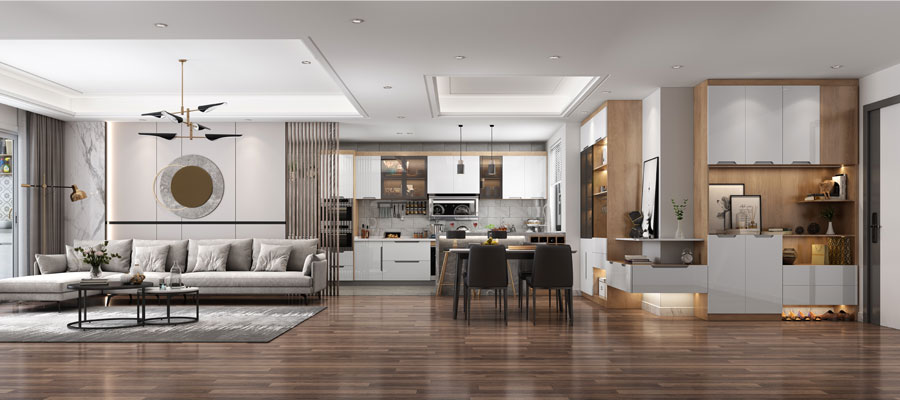
Whole house decoration interior design is a comprehensive approach to transforming every corner of a home into a harmonious and functional living space. Unlike designing individual rooms, whole house interior design considers the home as a single cohesive environment, ensuring that colors, textures, furniture, and decor elements flow seamlessly from one area to another. This holistic perspective not only enhances aesthetic appeal but also improves comfort, functionality, and the overall experience of living in the space.
A key aspect of whole house decoration interior design is creating a unified design concept. Designers start by understanding the homeowner’s lifestyle, preferences, and needs, which helps them develop a consistent theme or style throughout the home 全屋裝修. Whether the homeowner prefers modern minimalism, rustic charm, contemporary elegance, or eclectic combinations, the design is curated to ensure that each room contributes to a cohesive narrative. This approach prevents visual dissonance and promotes a sense of balance and harmony in the home.
Color coordination plays a significant role in whole house interior design. While each room may serve a different function, the overall color palette should feel connected. Designers carefully select complementary hues that flow naturally from room to room, creating a sense of unity. Warm tones may dominate communal spaces like living rooms and kitchens to encourage sociability, while cooler, calming shades can enhance bedrooms or relaxation areas. Proper color planning can also influence mood, spatial perception, and the overall ambiance of the home.
Furniture selection is essential for both style and functionality in whole house decoration. Interior designers ensure that furniture pieces not only match the chosen aesthetic but also meet the practical requirements of each space. Modular furniture, multifunctional units, and ergonomic designs are often incorporated to maximize comfort and usability. Proportions are carefully considered to prevent overcrowding or imbalance, creating spaces that are both inviting and practical.
Lighting is another critical component of whole house interior design. Proper lighting enhances architectural features, highlights decorative elements, and sets the mood for different areas. Designers often use a combination of ambient, task, and accent lighting to create depth and dimension throughout the home. Strategic placement of windows, mirrors, and reflective surfaces can also enhance natural light, making spaces appear larger, brighter, and more welcoming.
Materials and textures contribute significantly to the tactile and visual experience of a home. Whole house decoration interior design integrates a variety of materials such as wood, stone, metal, glass, and textiles to create contrast and interest while maintaining a balanced aesthetic. Textured fabrics for curtains, rugs, and upholstery add warmth and comfort, while hard surfaces like stone countertops and wooden floors provide durability and timeless appeal. Designers often mix materials thoughtfully to achieve a sophisticated and layered look.
Decorative elements and artwork play a vital role in personalizing a home. Whole house interior design incorporates art, sculptures, wall decor, and curated objects to reflect the homeowner’s personality, experiences, and cultural influences. By strategically placing decorative items, designers create focal points that draw attention and provide visual interest. The careful integration of personal items with curated design elements ensures that each space feels unique, authentic, and engaging.
Spatial planning is a cornerstone of whole house interior design. Efficient use of space ensures that each room serves its intended purpose without compromising comfort or accessibility. Designers consider traffic flow, sightlines, and functional zones to create a home that feels open, organized, and easy to navigate. In smaller homes, innovative storage solutions, open floor plans, and multifunctional furniture help maximize usability while maintaining aesthetic appeal.
Technology integration is increasingly important in modern whole house decoration. Smart home systems, automated lighting, climate control, and entertainment solutions are seamlessly incorporated to enhance convenience, energy efficiency, and lifestyle quality. Designers ensure that technological elements are subtle and complementary to the overall design, preserving the home’s visual harmony while offering practical benefits.
Sustainability is a growing focus in whole house interior design. Designers prioritize eco-friendly materials, energy-efficient appliances, and sustainable construction practices. Reclaimed wood, low-VOC paints, and durable, recyclable materials are commonly used to reduce environmental impact. Sustainable design not only benefits the planet but also contributes to healthier indoor environments, creating homes that are both stylish and responsible.
Personalization remains at the core of whole house decoration interior design. Every decision, from color schemes to furniture selection, lighting, and decor, is tailored to reflect the homeowner’s individuality. By working closely with clients, designers capture their vision and translate it into a tangible living environment that feels both beautiful and functional. Personalized spaces foster a strong sense of ownership and comfort, making the home a true reflection of its inhabitants.
Functionality and comfort are central goals in every aspect of whole house interior design. Kitchens, living areas, bedrooms, bathrooms, and workspaces are carefully designed to accommodate daily activities efficiently while remaining visually appealing. Ergonomics, accessibility, and convenience are prioritized alongside aesthetics to ensure that each space enhances the homeowner’s quality of life.
The integration of trends is also a consideration in whole house decoration. Designers often draw inspiration from global and local design movements while ensuring that the home maintains a timeless appeal. Minimalism, biophilic design, Scandinavian influences, and modern eclectic styles can be blended to suit the homeowner’s tastes, resulting in a unique yet enduring design. Trends are applied thoughtfully to enhance the home without overwhelming its functional or visual harmony.
In whole house interior design, attention to detail is paramount. Designers meticulously consider elements such as door handles, cabinet finishes, trim work, and lighting fixtures. These details may seem minor, but they significantly impact the overall aesthetic and perceived quality of the home. Thoughtful attention to such elements ensures that the design feels refined, complete, and cohesive throughout every room.
Ultimately, whole house decoration interior design transforms living spaces into environments that elevate daily life. By balancing aesthetics, functionality, and personalization, designers create homes that are not only visually stunning but also comfortable, practical, and reflective of the homeowner’s personality. Each element, from furniture and color to lighting and decor, contributes to a holistic experience that makes the home feel harmonious, welcoming, and thoughtfully designed.
